Calm, restorative light for skin that needs a little support
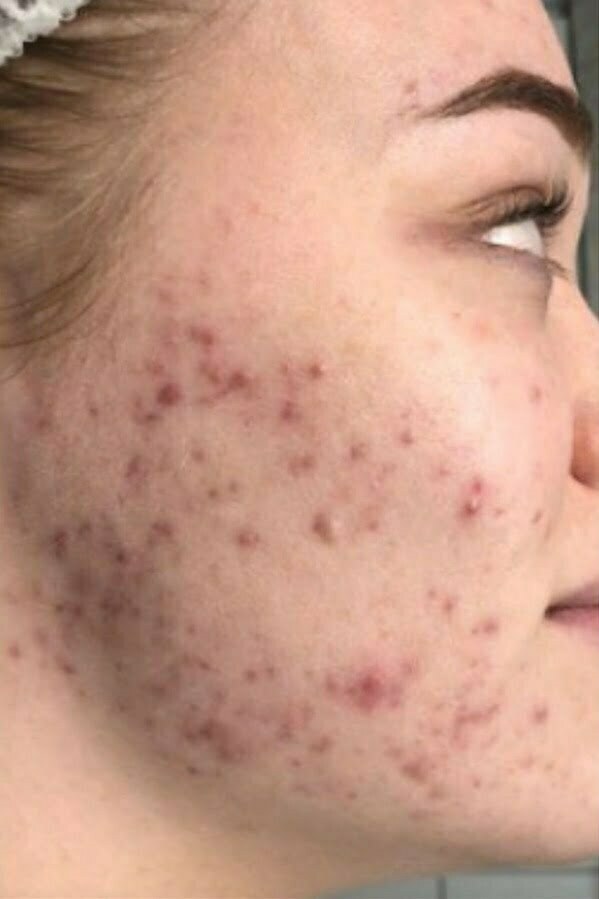
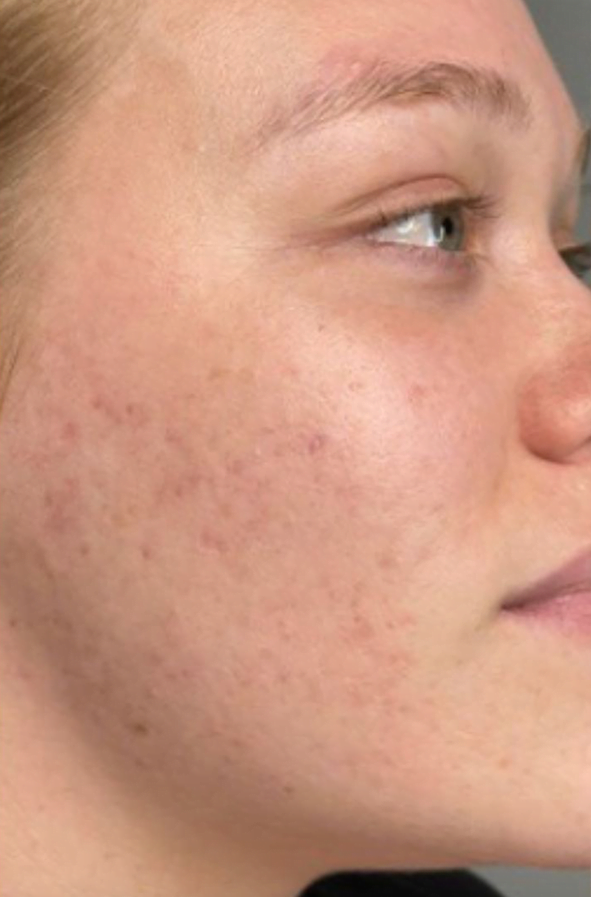
Dermalux LED Phototherapy uses carefully selected wavelengths of light to support skin affected by breakouts, visible redness, irritation, dullness and early signs of ageing, without needles or controlled injury.
When your skin is inflamed, breaking out or simply looking tired, adding stronger products is not always the answer. Sometimes it needs a gentler approach.
Dermalux can be used as a standalone treatment or alongside selected facials and corrective procedures. The light settings are chosen according to your skin, allowing your practitioner to create a personalised treatment rather than applying the same protocol to everyone.
Many clients notice an immediate boost in radiance following treatment. When a course is recommended, the benefits can build gradually and provide longer-lasting visible improvements, particularly when supported by maintenance sessions and appropriate homecare.
The treatment itself is quiet and comfortable. You simply relax beneath the Dermalux device while your skin receives the wavelength, or combination of wavelengths, selected for your needs.
Skin Perfection is located on Great Castle Street, moments from Oxford Circus and conveniently placed for Marylebone, Mayfair, Fitzrovia, Soho and the West End.
Book a Consultation Not ready to book? Enquire now
What is Dermalux LED Phototherapy?
Dermalux LED Phototherapy is a non-invasive treatment that exposes the skin to clinically researched wavelengths of visible and near-infrared light.
Your skin can absorb this light energy and use it to support several natural cellular processes. According to Dermalux, energised skin cells can renew up to 200% faster, supporting the skin’s natural repair and regeneration processes.
Different wavelengths interact with the skin in different ways. Depending on your concerns, your practitioner may select blue, red or near-infrared light, or an appropriate combination.
Unlike laser or IPL, LED does not deliberately heat or resurface the skin. It is also different from microneedling and chemical peels because it does not create a controlled physical injury.
This makes it particularly helpful when your skin needs support but you do not want a treatment involving needles, exfoliation or significant recovery time.
What can Dermalux LED Phototherapy help improve?
Dermalux may be recommended to support:
- Acne-prone and congested skin
- The appearance of inflammatory breakouts
- Visible redness and irritation
- Dull or tired-looking skin
- Fine lines and early signs of ageing
- Skin hydration and overall radiance
- Stressed or sensitive-looking skin
- Recovery following selected professional treatments
- Suitable areas of the face, scalp or body
The results will depend on the concern being treated, its underlying cause and the frequency of your appointments.
For example, LED may support an acne treatment plan, but persistent acne often needs a wider approach involving skincare, lifestyle considerations and other carefully selected treatments.
Likewise, facial redness should be assessed before treatment. Rosacea, visible vessels, temporary sensitivity and post-treatment inflammation may look similar, but they do not necessarily require the same solution.
Book a Consultation Not ready to book? Enquire now
The three Dermalux wavelengths explained
Dermalux uses blue, red and near-infrared wavelengths. They can be delivered individually or in combinations selected for your skin.
Blue light at 415 nm
Blue light is most commonly selected for acne-prone and congested skin.
It targets light-sensitive compounds produced by bacteria associated with inflammatory acne. This antibacterial action can help support clearer-looking skin without relying on heat or abrasive exfoliation.
Blue light may be combined with red light when both active breakouts and visible inflammation are present.
It is important to remember that acne can have several contributing factors. LED may form part of an effective treatment plan, but it cannot correct every underlying cause or guarantee that future breakouts will not develop.
Red light at 633 nm
Red light is commonly selected to support rejuvenation, hydration and the skin’s natural renewal processes.
It may help:
- Calm the appearance of redness and inflammation
- Support natural collagen production
- Improve the appearance of fine lines
- Restore radiance to dull-looking skin
- Support recovery following selected treatments
- Promote a healthier and more refreshed complexion
Red light may be used alone or combined with near-infrared light when rejuvenation and recovery are the priorities.
Near-infrared light at 830 nm
Near-infrared light is invisible to the human eye and reaches deeper than visible red or blue light.
It is commonly selected to support the skin’s natural recovery processes, calm the appearance of irritation and complement rejuvenating treatments.
Your practitioner may combine near-infrared and red light when your goals include recovery, healthy-looking skin and visible rejuvenation.
Dermalux Tri-Wave treatment
Dermalux Tri-Wave therapy allows selected wavelengths to be delivered together.
This can be useful when your skin has more than one concern. However, using every wavelength is not automatically better. Your combination should be chosen according to what your skin actually needs.
Which skin concerns may benefit from Dermalux?
Acne and breakouts
Blue and red light may be used together to support skin affected by inflammatory breakouts.
Blue light targets acne-associated bacteria, while red light may help calm the appearance of inflammation and support recovery.
If your breakouts are persistent, painful or leaving scars, you may need a broader personalised acne treatment plan rather than relying on LED alone.
Redness and irritation
Selected wavelengths may help visibly calm skin that appears red, irritated or stressed.
Redness can have several causes, however. Rosacea, thread veins, product reactions and temporary post-treatment inflammation may require different approaches.
Learn more about our treatments for rosacea and redness.
Fine lines and early signs of ageing
Red and near-infrared light may support collagen production, hydration and skin renewal, helping the complexion look smoother and more radiant.
Dermalux does not resurface the skin. More pronounced lines, acne scars or significant textural damage may require a corrective treatment such as Dermapen 4 microneedling.
Dull and tired-looking skin
An individual session may help restore visible vitality and radiance when your skin looks tired or lacklustre.
Many clients choose Dermalux before an occasion because there is normally minimal interruption to their routine.
Post-treatment support
Dermalux can be used after selected professional treatments to calm visible redness and support the skin’s recovery.
It cannot automatically be added after every procedure. Your practitioner will decide whether it is suitable for your treatment and the way your skin has responded.
Three ways to include Dermalux in your treatment plan
Activate with a targeted course
An intensive course may be recommended when you want to address an ongoing concern such as acne, inflammation, persistent redness or dullness.
Treatments are performed relatively close together to provide cumulative support. The number and frequency of sessions will depend on your skin.
Boost with an individual appointment
A single session can be used to revitalise a dull-looking complexion, support visible radiance or calm skin that appears temporarily stressed.
Many clients notice an immediate glow, but individual results vary and one appointment cannot resolve every concern.
Combine with another treatment
Dermalux may be added to selected facials and corrective treatments to complement their results or support recovery.
For example, it can form part of a DermaFrac treatment or be recommended alongside selected peels and microneedling procedures.
Your practitioner will determine whether a combined treatment is appropriate for you.
What happens during Dermalux LED Phototherapy?
Your practitioner will begin by checking your skin and confirming that treatment remains suitable that day.
You should tell us about any changes to your medication, supplements, medical history or skincare because certain substances can increase sensitivity to light.
Your skin will be cleansed if necessary, and appropriate eye protection will be provided. The Dermalux device will then be positioned over your face or the relevant treatment area.
You will notice a bright light and may feel gentle warmth, but the procedure should not feel painful. Most clients find the session comfortable and relaxing.
The light exposure itself commonly lasts around 20 to 30 minutes. Allow approximately 30 to 45 minutes for a complete standalone appointment, including preparation and aftercare guidance.
No anaesthetic is required.
How many Dermalux treatments will you need?
An individual treatment may be suitable when you want a gentle boost, extra radiance before an occasion or support after another procedure.
Longer-standing concerns generally benefit from a course.
Approximately 6 to 12 sessions may be recommended for concerns such as persistent breakouts, inflammation or stressed-looking skin. Dermalux also describes an intensive activation programme of 12 treatments performed in close succession.
That does not mean everyone automatically needs 12 appointments.
Your practitioner will consider your skin, goals, response and budget before recommending a schedule. After the initial course, occasional maintenance sessions may help support the results.
Is there any downtime after Dermalux?
Dermalux does not puncture, peel or resurface the skin. Most people can return to work and ordinary activities immediately.
Many clients experience no noticeable recovery period. However, “minimal downtime” is more accurate than promising that every person will have no reaction at all.
Possible temporary responses may include:
- Mild redness
- Gentle warmth
- Temporary dryness
- Increased sensitivity
- Headache or discomfort from the bright light
- Temporary aggravation of an existing skin concern
Dermalux is a non-invasive, generally well-tolerated treatment with an excellent safety profile when performed following appropriate suitability screening.
If it has been combined with another procedure, the recovery guidance for that treatment will still apply.
Who may not be suitable for Dermalux LED Phototherapy?
Treatment may be unsuitable or require additional assessment if you:
- Have a known photosensitivity disorder
- Take medication or supplements that increase sensitivity to light
- Have a condition that can be triggered by light exposure
- Have a history of light-triggered seizures
- Have active skin cancer or an unidentified lesion in the area
- Have an active infection or significant skin flare
- Are receiving treatment for cancer
- Have recently started medication that affects your skin
- Are pregnant or breastfeeding
This is not a complete list.
Please tell your practitioner about all prescription medication, over-the-counter medication, supplements, medical conditions and recent treatments.
Where necessary, treatment may be postponed or medical approval requested.
Professional Dermalux or an at-home LED mask?
At-home masks can be convenient, but they vary considerably in wavelength accuracy, optical output, coverage and treatment protocol.
Professional Dermalux technology has been designed to deliver consistent, clinically researched wavelengths across the treatment area. It also allows your practitioner to select or combine wavelengths according to your skin.
The professional assessment is important too. Acne, rosacea, sensitivity, pigmentation and temporary irritation are not interchangeable, even when they appear similar in the mirror.
That does not mean every home device is ineffective. It simply means that an at-home mask is not automatically equivalent to a personalised clinic course.
If you already use an LED mask, tell your practitioner which device you have and how frequently you use it.
Why choose Skin Perfection for Dermalux LED Phototherapy?
LED treatment may look wonderfully simple from the outside. You lie beneath the light, relax and let the technology do its job.
But the decision-making behind that session still matters.
Breakouts, rosacea, visible vessels, irritation and post-treatment redness can look similar while requiring very different approaches. The correct wavelength, combination and treatment frequency should reflect your skin rather than a standard salon protocol.
At Skin Perfection, you will receive:
- An individual consultation and skin assessment
- A Dermalux protocol selected for your concerns
- Honest guidance about what LED can realistically achieve
- Advice on whether you need one treatment or a course
- The option to combine LED with other suitable procedures
- Personalised treatment and homecare recommendations
- Care from an award-winning team in Central London
If LED is unlikely to provide the change you want, your practitioner will explain the alternatives.
Dermalux LED Phototherapy near Oxford Circus
Your Dermalux treatment takes place at Skin Perfection on Great Castle Street, moments from Oxford Circus.
Our Central London clinic is easily accessible from Marylebone, Mayfair, Fitzrovia, Soho and across the West End.
Standalone sessions and personalised courses are available, while Dermalux can also be incorporated into selected facial and corrective treatment plans.
Give stressed skin the support it actually needs
Sometimes skin needs correction. Sometimes it needs calming.
Knowing the difference can save you from wasting money on treatments that are too aggressive, poorly timed or simply unsuitable for what your skin is experiencing.
During your consultation, your practitioner will assess your skin, listen to your concerns and explain whether Dermalux should be used alone or as part of a broader plan.